Exploring how wetland and grassland restoration interacts with land management, local livelihoods and the different benefits and costs experienced by stakeholders.
The context
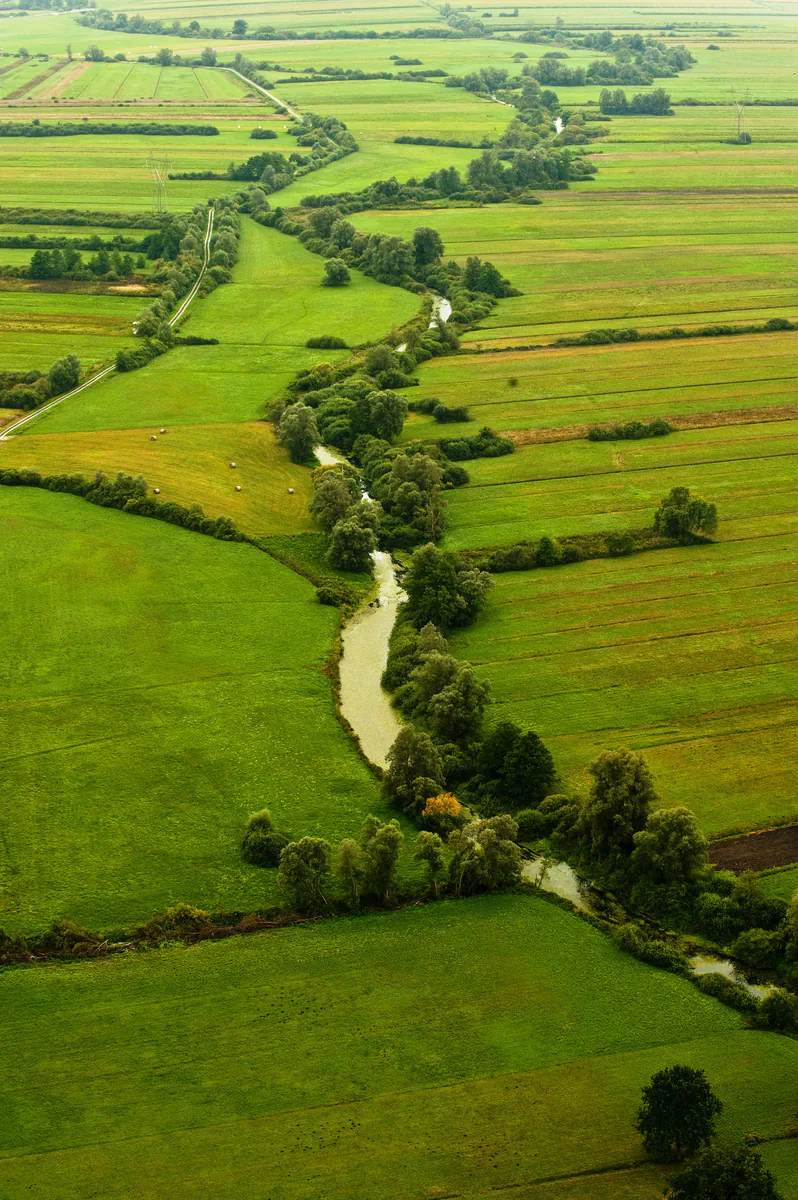
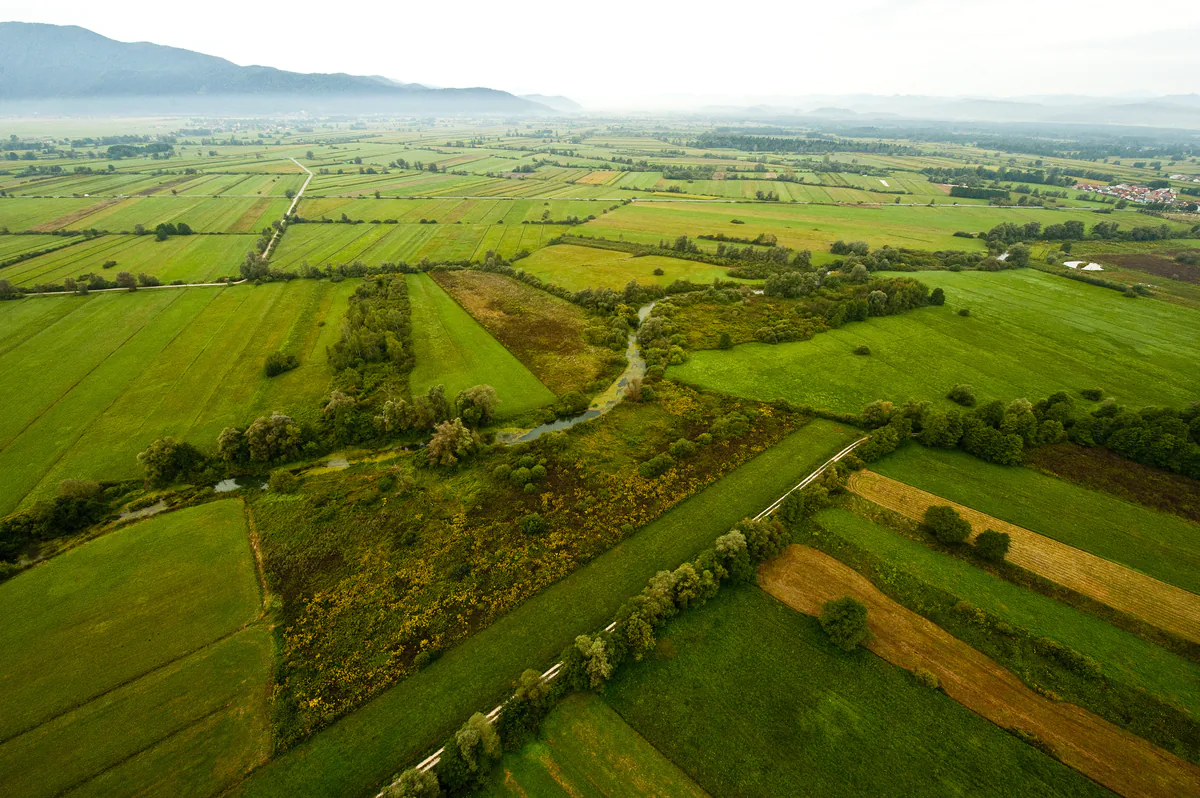
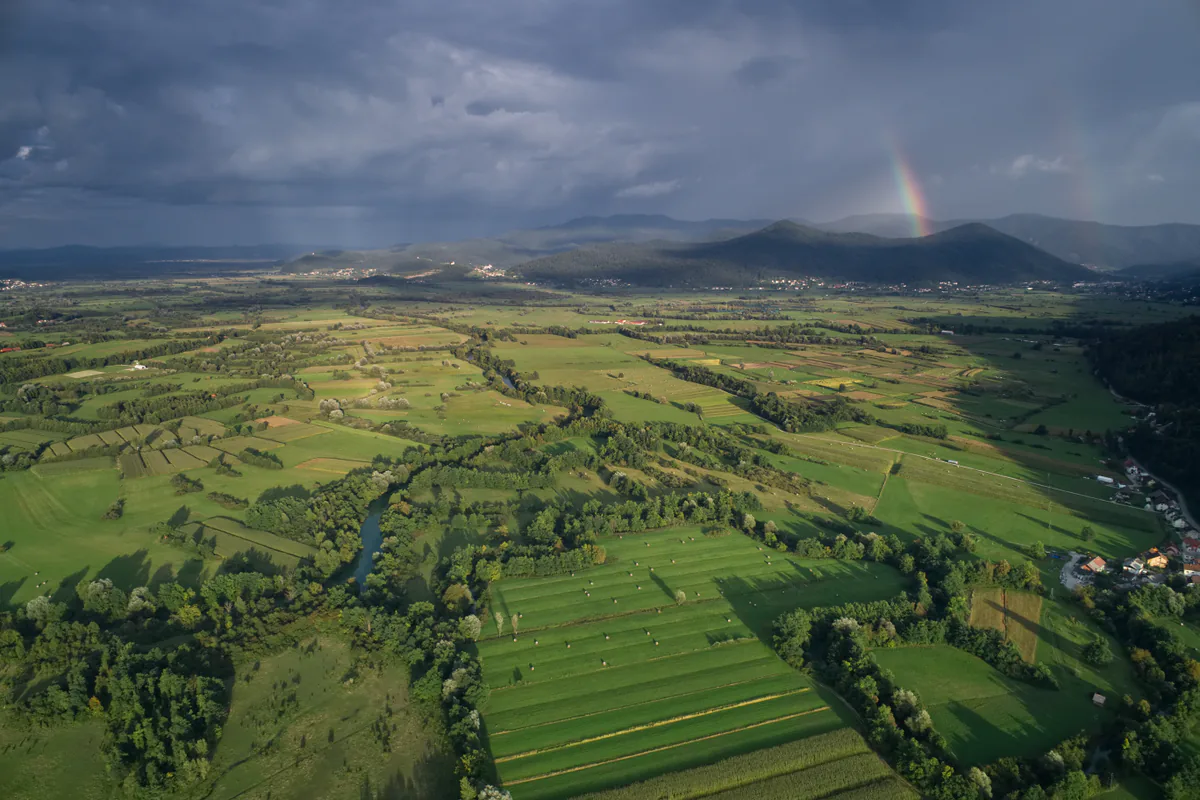
Ljubljansko Barje is a distinctive wetland and grassland landscape shaped by interactions between water management, agriculture, biodiversity and human settlement.
Drainage, agricultural intensification and urban expansion have changed the landscape and contributed to the degradation of wet meadows and wetland habitats. These changes can affect biodiversity, carbon storage and the wider range of ecosystem services provided by the area.
Restoration offers opportunities to recover ecological functions, but can also affect land management, local livelihoods and the interests of different groups.
The challenge is to identify restoration approaches that improve wetland and grassland functions while taking account of land-use interests and the different benefits and costs experienced by stakeholders. NatuRISE will explore:
The case study will particularly help investigate how restoration benefits and costs are distributed across places and groups.
Nature park and public authorities
Provide local knowledge, policy and management perspectives and information relevant to restoration planning.
Land managers
Contribute practical experience of land management, restoration measures and implementation constraints.
Environmental organisations and civil society
Bring perspectives on biodiversity, conservation and societal values.
Researchers
Assess ecological, economic, spatial and social dimensions of restoration
Stakeholder knowledge will be integrated throughout the case study through the Listen → Define → Assess → Test → Refine process.
Stakeholders will help identify relevant restoration options and evaluation criteria, review emerging assessments and explore how different options could work in the local context.
The Ljubljansko Barje case study will demonstrate how NatuRISE can combine spatial, ecological, economic and distributional perspectives to support restoration decisions in complex wetland and agricultural landscapes.
The NatuRISE case studies connect scientific evidence with real-world restoration decisions. Through collaboration with stakeholders, each case study will help test and refine methods for understanding the benefits, costs, trade-offs and distributional effects of nature restoration. As the project progresses, this page will evolve from a description of the context into a gateway to the evidence generated through the case study.