Exploring the socio-economic implications of freshwater ecosystem restoration and the interactions between ecological objectives, land use and wider economic impacts.
The context
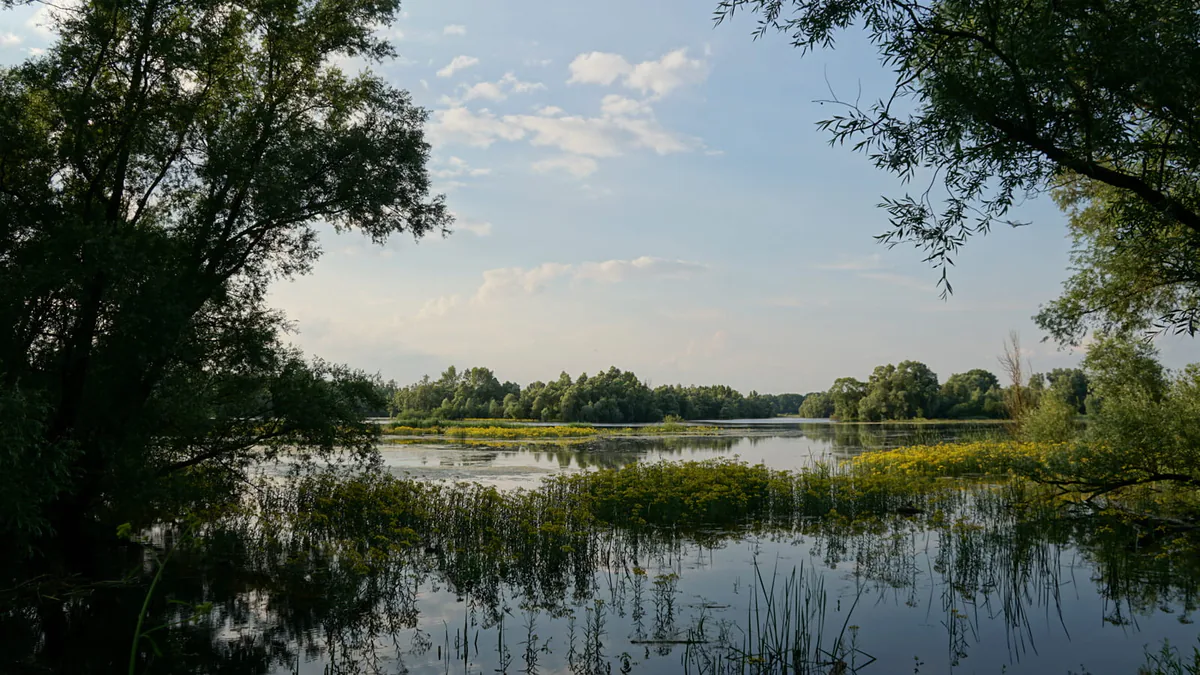
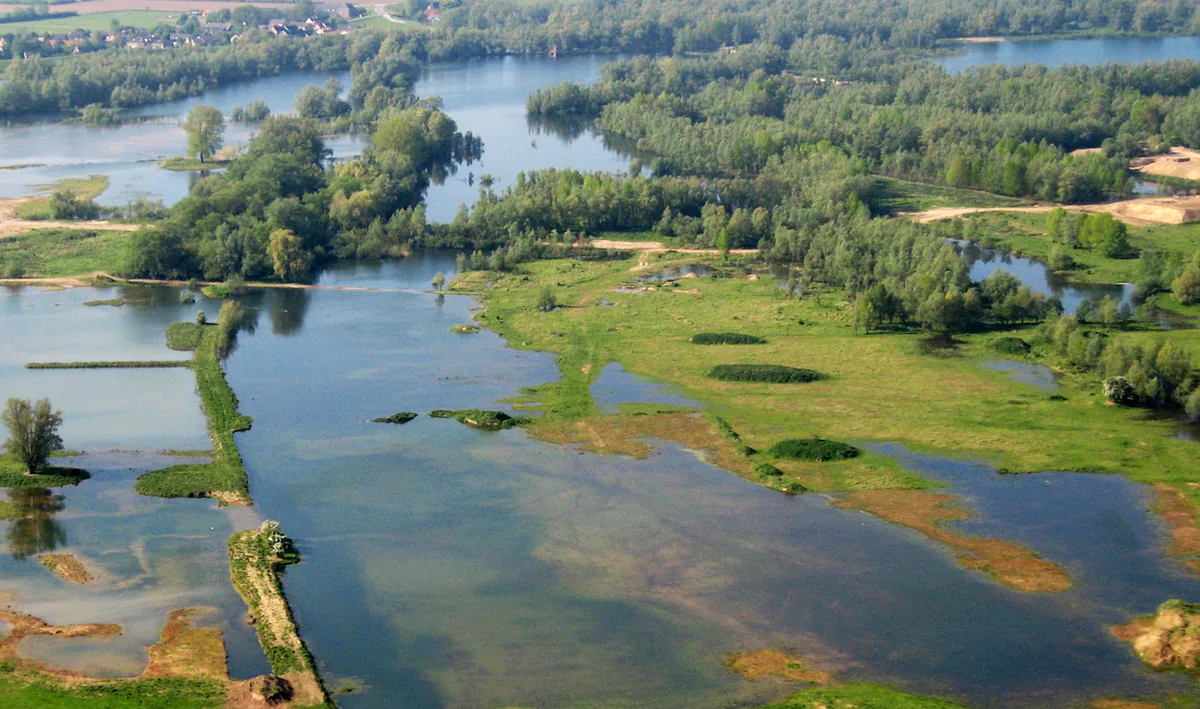
The Gelderse Poort is a dynamic river and floodplain landscape where ecological processes, water management, land use and human activities are closely connected. Changes in river dynamics, climate pressures and land-use patterns are affecting the condition and functioning of floodplain ecosystems.
Restoration can help strengthen biodiversity, ecosystem services and climate resilience, but decisions about where and how to restore also need to consider economic costs, land-use interests and impacts on different stakeholders.
The challenge is to identify restoration options that can improve ecological and ecosystem functions while accounting for their wider socio-economic consequences. NatuRISE will explore how restoration measures can respond to pressures such as:
The focus is therefore not only whether restoration is beneficial, but which measures generate the greatest benefits, for whom, where and over what time horizon.
Public authorities and water managers
Provide knowledge of river management, policy priorities, implementation constraints and available data.
Local and regional stakeholders
Bring perspectives on land use, livelihoods, ecosystem services and practical feasibility.
Environmental organisations
Contribute ecological knowledge and perspectives on biodiversity and restoration.
Researchers
Develop and apply integrated approaches for assessing ecological and socio-economic impacts.
NatuRISE will work with stakeholders through a Listen → Define → Assess → Test → Refine process.
Stakeholder knowledge will help define relevant restoration questions and indicators. Model-based assessments will then explore potential impacts, with results discussed and refined together to improve their relevance for real-world decision-making.
The Gelderse Poort case study will provide a real-world context in which NatuRISE methods and models can be applied, tested and refined for freshwater and floodplain restoration.
The NatuRISE case studies connect scientific evidence with real-world restoration decisions. Through collaboration with stakeholders, each case study will help test and refine methods for understanding the benefits, costs, trade-offs and distributional effects of nature restoration. As the project progresses, this page will evolve from a description of the context into a gateway to the evidence generated through the case study.